a working
model.

There are five integral areas of importance to consider when laying the foundation for a sustainable communal environment:
Food and Water Security
Psychological Security
Self/Family/Community Security
Economic Support
Coordination of Resources

food and water
security.
COVID-19 Response: During the COVID-19 pandemic, we will work with partnering organizations to gather food/necessity bags and secure meals for our elderly and families that are in need. We will establish those in need amongst our networks; along with, determining our needing neighborhoods and contacting those neighborhood associations. They will help with our efforts of establishing Elders in need within the communities. We then connect those elders and families with the resources that we are assisting to distribute to the community. While those efforts continue, we will procure necessary items required to host a feed the hood for our local communities. This effort will be established in the short-term; yet, Feed the Hood will be a long-term monthly effort put forth by our people, for our people.
Access to fresh, organic food options and clean water is a basic human right. What better way to honor the beauty and power of nature than to work in conjunction with the ecosystem to grow and harvest fruits, vegetables, and grains to nourish our minds and bodies.
Imagine a lush community adorned with a myriad of vibrant landscapes, but instead of 'traditional', residential trees and shrubs, there is a fully functional food forest. An ecological oasis restoring the land and habitat while creating an edible yield.
We have found that one of the most efficient ways to create our edible landscape is through permaculture.
Permaculture is the ethical, scientific, and synchronistic design of natural systems to ensure a sustainable philosophy of living. It also aims to facilitate abundance for the future of humanity, producing all the food and materials it needs on a local scale. At its core, permaculture is simply the collaboration of humans and nature in action.
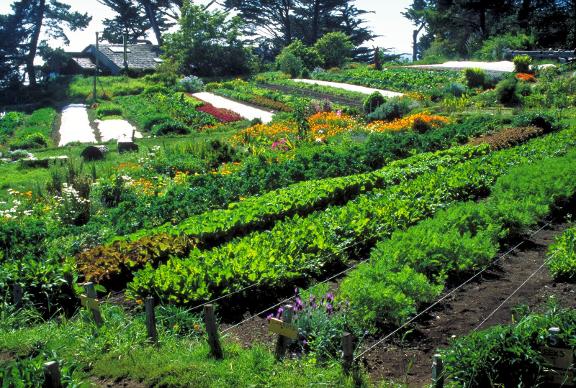
"if plants and water can work together as a community, so can we."
The Permaculture Process
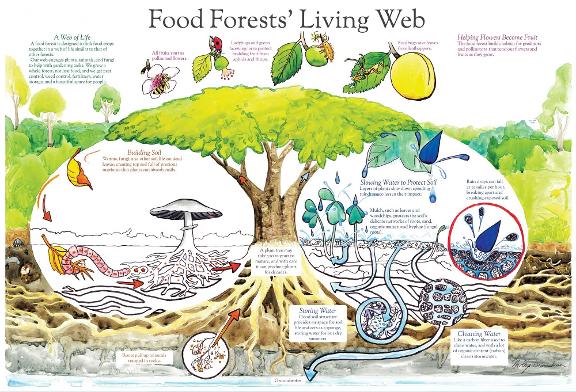
1. What do you want from your Food Forest?
2. Explore your local forest to determine what grows best in your desired area?
3. Do a site survey and make a basic map.
4. Create a layout and choose the plants.
5. Prepare the site.
6. Source the plants and start planting.
WHAT WE CAN DO RIGHT NOW
Indoor Growing and Small Gardens
Diving right into large scale permaculture may be intimidating for some. Or, perhaps you don't immediately possess the resources to implement an intricate food forest. Don't be dissuaded from starting with what you have.
You may be surprised how easy and fruitful indoor/apartment gardening can be. Even your balcony can serve as the perfect environment for a container garden.
CREATING CLEAN WATER
Water Scarcity is currently one of the greatest global threats in existence. Combine that with the inequities and systemic racism in city water work structures, and the necessity for control of our own clean water sources and pollution free natural water sources is beyond evident.
As previously mentioned, permaculture is a natural way to curate clean water sources for communities large and small. However, if you do not currently have the resources to implement a permaculture project, there are ways you can clean and purify, otherwise undrinkable water, from wherever you are.
LARGE SCALEINDOOR/SHIPPING CONTAINER FARMS
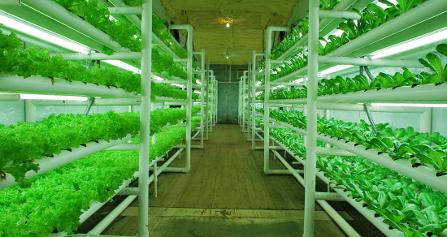
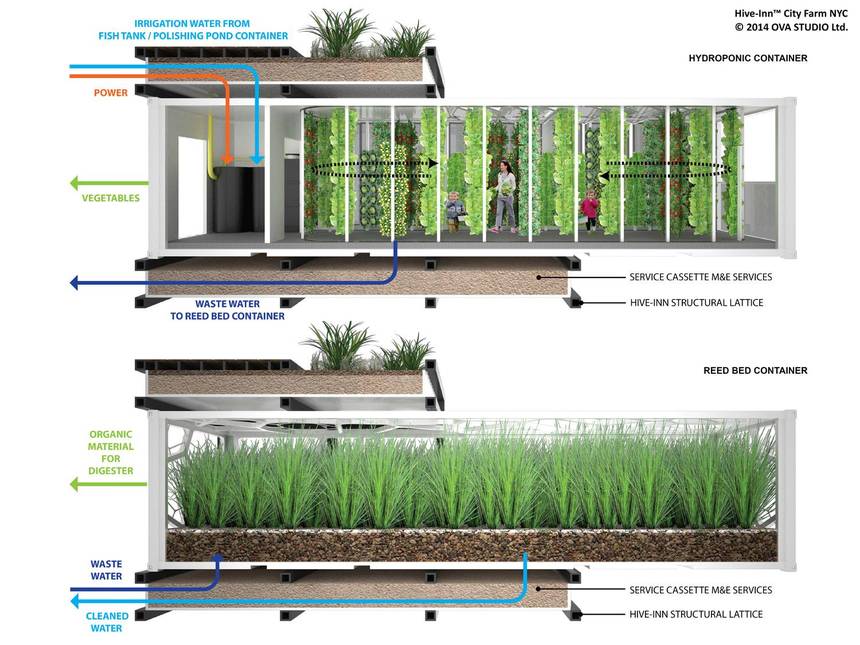


INDOOR FARM AND SOLAR POWERED SUPERTREES IN SINGAPORE
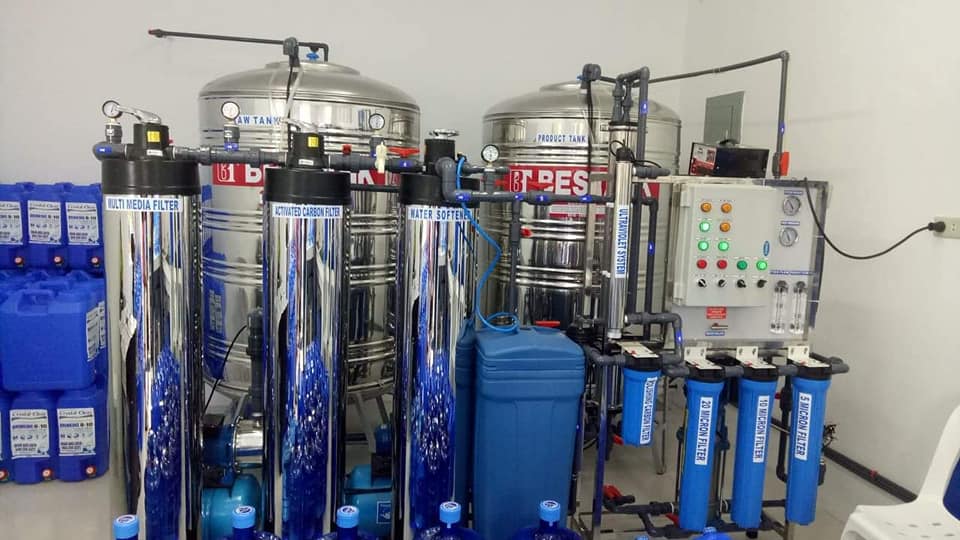
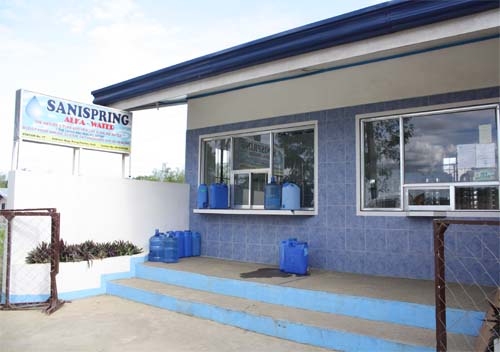
building a water refill station and/or business
A quick guide to Holistic Nutrition
What To Eat
Drink adequate amounts of purified water - at least eight 8-ounce glasses daily. Even mild dehydration will interfere with the digestive process and aggravate several symptoms and diseases.
Choose organic food as much as possible to avoid pesticides, herbicides, genetically modified (GMO) foods, and irradiated food. Fresh organically grown food has more nutrient value and tastes better, and organic meats and dairy don't contain hormones and antibiotics.
Select whole grains when buying foods such as bread, pasta, rice, tortillas, and cereal. Whole grains provide more nutrients and fiber.
About 22 natural nutrients are processed out of grains in the making of refined flour products. 'Enriched' is a misnomer since only 6 or 8 synthetic nutrients are actually returned after processing.
Try to buy locally grown fresh fruits and vegetables. Sometimes it's better to eat freshly harvested local produce that isn't certified organic, rather than organic produce that was harvested before ripening and transported thousands of miles to the grocery store.
If you can't grow your own produce, find a Farmers' Market in your area, or ask your grocer to offer local produce.
Essential fatty acids are necessary for good health, so eat plenty of good fats. The low-fat craze was based on faulty research and caused a decline in health over decades. Use organic cold-pressed oil such as extra virgin olive oil for salads. Cooking requires an oil that can be heated without being denatured, such as coconut oil. Flax seed oil is a great addition to a breakfast smoothie.
Eat raw and minimally processed whole living food as much as possible. Foods in their natural state contain more nutrients and active enzymes.
Eat a variety of nutrient-rich healthy foods. There is no single food that provides the more than 40 different nutrients we need for good health. Experiment with different foods and recipes.
What To Avoid
Eliminate refined sugar, high fructose corn syrup, and artificial sweeteners such as aspartame (NutraSweet, Equal) and sucralose (Splenda). All contribute significantly to serious health problems.
Salt: Limit sodium to less than 2,300 mg per day - equivalent to about one teaspoon of salt. Check food labels; you'll be amazed how much sodium is added to processed foods. Substitute regular table salt for something healthier, like sea salt or Himalayan salt.
Coffee and sodas - non-foods that have many destructive physiological consequences which cause several illnesses and chronic disease.
Trans fats (hydrogenated vegetable oils)
Don't microwave food or beverages. Use a toaster oven, double boiler, tea kettle, or other appliance to heat or cook food.
Food additives: artificial colors and flavors, preservatives, MSG
Genetically modified (GMO) foods: Unfortunately, it's not required that the consumer be notified about the presence of GMO foods. Most canola and soy is GMO, so never buy non-organic canola oil or non-organic soy products like soy milk, tofu, or soy protein powder.
Other Considerations of Holistic Nutrition
Use natural plant-based digestive enzymes to enhance your digestion. Enzymes will also reduce the formation of certain digestive by-products that can lead to intestinal toxicity and autointoxication. Our ability to produce enzymes decreases as we get older, and cooking and processing destroys the enzymes that were originally part of the food.
Use a high quality daily multi-nutrient to supplement your healthy food choices. Even most organic produce doesn't have the same nutritional value that foods had several decades ago.
Modern agricultural and food distribution practices and compromised soil, air, and water quality have degraded the nutritional content of food. Today we would have to eat much larger portions to get sufficient nutrients from our food.
If changing to a healthier eating lifestyle is a major shift for you, make gradual changes. Developing new eating habits can feel overwhelming and confusing, and that may interfere with your success in making permanent changes.
You can start with substitution. For instance, if you love hamburgers, stop buying the fast food junk and make your own. Buy organic or free-range ground meat, or organic, homemade veggie burger patties. Use whole grain buns, and organic lettuce, cucumber and tomato. Try different condiments - like pesto thinned with olive oil instead of using mayonnaise.
Clean out your kitchen pantry and refrigerator to get rid of unhealthy foods. Read the label ingredients to help decide what to toss or give away.
Eat moderate portions; remember that a serving of meat is 3 ounces - about the size of a deck of cards. A serving of pasta is about a half cup. We've become used to super-sized portions, but we're turning into a nation of sick super-sized people.
Start out the day with a nutritious breakfast. A smoothie with almond milk, fruit, coconut or flaxseed oil, protein powder and fiber is delicious and will jump start your metabolism and provide a lasting energy boost. Try to confine your eating window to 6 to 8 hours, which enables a fasting period of 16 to 18 hours. This allows your body a better chance to clean out cell debris and regenerate without having to expend more energy on digestion.
Treat yourself! A healthy diet doesn't have to deprive you of the foods you love. Experiment with healthy substitutes and use moderation.
I love my chocolate, but I've learned to eat it in moderation and limit it to organic dark varieties.
Living the principles of holistic nutrition will reward you
with vibrant health, stamina, and a clear mind.
Psychological
Security.
Our “Psychological Security” is grounded in our belief that since we as, African people have endured so many challenges that our fortitude, determination and will to overcome is going to sustain us once again. We realize that certain steps must be taken to insure our homes, etc., are “germ” free, that we must now fully embrace the fact that our world has changed. Yet, the things that we can control, WE MUST CONTROL.

6 COMPONENTS OF PSYCHOLOGICAL SECURITY
1) PRAY- Most African people have some type of a relationship with a “Higher Power”. Maintain and trust in this relationship, while understanding that because of COVID-45’s lack of leadership and preparation, COVID-19 has and will take many lives. It has already claimed the lives of some NBUF member’s loved ones, friends and relatives. Also, being a spiritual people, the personal relationship we have with our “Higher Power” (regardless of how we identify this “Supreme Spirit), is usually the one relationship we have within and outside of ourselves like no other in our physical and spiritual being. During this Coronavirus Pandemic/Nightmare the calming influence of this relationship can bring us peace of mind, body, soul and spirit. Rely on it as much as you can. Meditation and yoga are other forms of communicating with our inner selves and “Higher Power”.
2) Stay Informed- There is too much good and bad information available going around to sometimes tell the difference. Our psychological/mental security can manifest itself by identifying a few trusted sources and confirming the information they share.
3) Diet- Comfort foods help us to psychologically relax, but they should be balanced with healthy eating, such as live fruits and vegetables. Remember to drink as much clean water (spring, filtered, etc.) as possible, I’m told it’s great for the brain. Include our vitamins (multi, c, etc.), and zinc to name a few.
4) Exercise- This psychologically gives us a euphoric sense of accomplishment, of contributing to our own health and well-being. Mental and physical exercises stimulant us in ways few other activities can. Outdoors we enjoy the sunshine, fresh air and inner peace and conversations with ourselves and our GOD. Indoors we mentally enjoy the cleanliness of our own controlled environment and the general comfort of having the space and privacy this provides us.
5) Finances- Unless we’re fortunate enough to work from home, work in one of the essential services occupations or have substantial savings, very few of us can enjoy anything close to psychological security regarding our finances. In fact even before the “Coronavirus Pandemic”, MOST of us already live on the paycheck-to-paycheck merry-go-round. Food/groceries, rent, mortgage, car notes, insurances, and medicines are just some of the finances we are challenged to pay. Therefore, since we’re already experienced with “stretching a dollar”, we must as calmly and logically as we can “stretch it a little more”. Remember, some local, state and national government officials have authorized some “non-payment protections” for some time frames. But since protections seem to provide only limited protections, CONFIRM that they apply to your specific situation, especially regarding your resident and vehicle. If possible contact all of your billers to arrange the minimum payment you can make, even if it’s only $5-$10. They’ll want more, but just keep singing “The Coronavirus Pandemic, You’re Laid Off Blues”. If they threaten you, ask for their supervisor, get their names and contact info and let them know you plan to report them to the state attorney general.
6) Cleanliness- WASH YOUR HANDS/STERILIZE YOUR HOUSE. This you can and MUST do for your family and yourself. Both of these actions are IMPORTANT and while we constantly hear about handwashing, we also need to encourage each other to clean and sterilize ANYTHING that we can that comes into our house. That includes food and other groceries. Soap and water, vinegar and water, bleach water and other household cleaning solutions we already have provide more psychological security, knowing that since we’re staying in place, the place is clean and safe.
These are just six of the many "Psychological Security” challenges that confront us, most on a daily basis, even without this vicious virus invading this country and our comfort zones. I’m sure there are other important challenges and better answers and observations to be shared. This article only represents a link in the long chain of open dialogue, as NBUF strives to continue to provide Leadership and Partnership to address anything that affects our people in such a devastating way.
In, Free Yourself from Mental Slavery: 8 Ways to Let Go, author Bhavika writes,
1) Change your perception about a situation through cognitive reframing: This is a trained psychological technique that helps identify and confront negative or irrational thoughts and view it from a different and positive perspective.
2) Let the tears flow: When you cry, emotional tears shed stress hormones and other toxins which accumulate during stress.
3) Writing to Heal: Writing about traumatic, stressful or emotional events has been found to result in improvements in both physical and psychological health.
4) Disconnect: Generally, time spent in solitude or in nature brings more clarity in thinking.
5) Use Positive Self-Affirmations: When you consciously say positive things to yourself, you will learn to realize your self-worth, and be aware of your thoughts.
6) Shamanic Experiences: These experiences take you out of your mind and into the deeper realms of your own consciousness.
7) Meditation: This is one of the best ways to practice letting go. When you meditate, you observe your thoughts and sensations, when your mind wanders, you acknowledge it and Let It Go.
From the Pan-African, Black Nationalist inventor of the term ‘Mental Slavery‘, to the other authors who wrote about this psychological condition, we have hopefully provided you with some understanding and even more-so, some tools to better overcome this condition.
We've experienced over 400 years of chattel enslavement, jim crowism, klu klux klan, torcher, terror, false imprisonment, discrimination in every aspect of our daily lives and much, much more. We must now remove the shackles of shame and false pride to welcome the healing that Black psychiatrists and psychologists can provide us. We must admit that professional help is a tool we can use to help free us from the pain and mistakes of our past and help us claim a brighter, better future for ourselves, our families and our "BLACK & PROUD" COMMUNITY.
BEWARE: What precautions should we take if the Coronavirus turns out to be influenced by 5G Radition.
ABOLISHING MENTAL SLAVERY
When Marcus Garvey coined the term “mental slavery” in a speech in 1938, he meant it in the context of knowing African history, including the plight and advances made by Africans in the struggle, tracing ones roots, going back to Africa and continuing the fight for liberty. A few of his quotes that made this evident include:
“We are going to emancipate ourselves from mental slavery because whilst others might free the body, none bur ourselves can free the mind. (Your) mind is your only ruler, sovereign. The man who is not able to develop and use his mind is bound to be the slave of the other man who uses his mind.”
And
“The enemies are not so much from without as from within the race.”
In his book, Beyond Mental Slavery: A Guide to Breaking Free and Thinking Clearly, Steve Gillman explains 1) Challenge your own thinking; 2) Pay attention to your thoughts; 3) Become aware of the effect that certain words have on you; 4) Learn to recognize when your thinking is being corrupted by your ego.
Gillman advises that an essential step in breaking free of mental slavery is for a person to make the commitment to themselves to do so. Like most everything in life, mental slavery can only happen if we allow it.
In her book, 7 Ways to Emancipate Yourself from Mental Slavery, Brigette Hyacinth writes 1) Believe in yourself; 2) Work hard; 3) Be Positive; 4) Never give up; 5) Be Patient; 6) Have a strong support network;
7) Have faith that things will work out.
In, Free Yourself from Mental Slavery: 8 Ways to Let Go, author Bhavika writes 1) Change your perception about a situation through cognitive reframing; 2) Let the tears flow; 3) Writing to Heal; 4) Disconnect; 5) Use Positive Self-Affirmations; 6) Shamanic Experiences; 7) Meditation.
From the Pan-African, Black Nationalist inventor of the term ‘Mental Slavery‘, to the other authors who wrote about this psychological condition, I have hopefully provided the reader with some understanding and even moreso, some tools to better overcome this condition.
We've experienced over 400 years of chattel enslavement, Jim crow, klu klux klan, torcher, terror, false imprisonment, discrimination in every aspect of our daily lives and much, much more. We must now remove the shackles of shame and false pride to welcome the healing that Black psychiatrists and psychologists can provide us. We must admit that professional help is a tool we can use to help free us from the pain and mistakes of our past and help us claim a brighter, better future for ourselves, our families and our "BLACK & PROUD" COMMUNITY.

SELF, FAMILY, AND COMMUNITY
SECURITY.
What is security?
1. The state of being free from danger or threat.
2. Measures taken to guard against espionage or sabotage, crime or attack.
1. Shelter in place/ Virtual:
-Reinforce the front door but do not block. Allow this to be the only KNOWN entrance/exit in order to create what is known as the funnel of death (Always leave yourself a secondary exit).
-Have plywood readily available to cover windows and doors. You'll nee at least 1 but optimally 3 pieces of 2x4 in order to properly secure the window (if one 2x4 screw in middle, if two place at top and bottom, if three place at top, middle and bottom). You'll need to screw the 2x4's to the play wood and bolt to the studs in the wall.
-You'll want 360 degree cameras with night vision and motion detector.
-The circle of force this includes everything from simple deterrents to lethal force. Verbal commands, Pepper Spray (after some research pepper spray can be made with simple house hold items: vinegar, lemon juice, cayenne pepper, and habanero sauce. shake well and put in spray bottle). impact weapons, edged weapons, guns (handgun, shotgun and rifle all serving their own purposes).
-AMMO, AMMO and MORE AMMO!!!
-Gas mask
-Kevlar vest
-Last line of defense being hand to hand combat
-Be physically fit enough to defend yourself and your family
2. Bug out location/ Communal Living
-Secure land with barb wired electric fence
-Watch post as well as a guard walking the land
-Watch dogs (Cane Carso)
-Weapons bunker (hand guns, shotguns, rifles, Kevlar vest, gas mask, NVG, binoculars, AMMO, AMMO and MORE AMMO.
-Underground bunker
-Thick brush to provide stealth
-Drone watcher app uses advanced signals intelligence technology to turn an Android smartphone or tablet into a drone and small UAV finder that detects, tracks and records information. The program has a range of up to 1/4 – 1/2 mile.
-Ham radios for communication
-Active training (hand to hand, weapons and defensive strategy and tactics.
-Maps of surrounding areas (know the area)

COVID-19 SECURITY RESPONSE
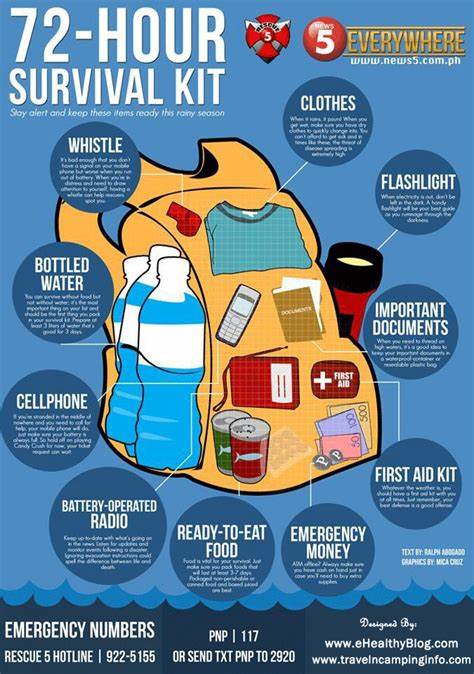
Every Community Household Should have Bug out bags or BOBs. (BOBs) are prepared in advance of any event that would require its use and are readily accessible in case a disaster strikes.
Include items like:
Clothes
Important Documents
Emergency Money
Water
Ready-to-Eat Food
family emergency plan
In order to protect your home and family, it is important to be prepared and have a plan in place for natural/man-made disasters or threats to your personal/family security.
Emergency Plans Include:
Emergency Contacts
Communication Plan
Medical Information
Practice Drills
Have escape plan of home
Meeting Location
COMMUNITY EMERGENCY
ACTION PLAN
Community Emergency Action Plan to define how black people in any given community will manage disasters.
Emergency Action Plan:
Considers the natural disasters for that region
Determine the vulnerable population for that region
Incorporates a communication plan
VOLUNTEER EMERGENCY RESPONSE TEAM
Through community participation, the Volunteer Emergency Response Team will engage in community education, emergency preparedness, and emergency response to major incidents and disasters.
Fire Safety
Disaster Medical Operations
CPR/First Aid Training
Self-Defense
ECONOMIC
SUPPORT.
4 PILLARS OF THE COMMUNAL ECONOMY.

Our communal economy is based on 4 economic pillars:
1. Operating Barter System:
Intracommunal agreements. Trading skills, labor, goods and services as defined in agreement. This is going to help boost our economy by using our income wisely and utilizing our specialized skill set. This is a way to foster relationships within the community be self determined , have control of our economy as we are able to control our form of currency. (bartering vs fiat money)
Individuals in the community exchange goods and services based on the trade/skills they are able to offer. These are negotiated between both parties and any agreement is binding. Example- Kwame is a skilled handy man and Ajamu is a talented gardener. In exchange for repairs in his home, Ajamu offers Kwame his landscaping services. This is common intra-communal practice. Services are also available virtually via our established database of community members.
2. Trade Skills Economy:
As we can see during these times the jobs that have been deemed essential are our manual labor jobs, manufactures, etc. In our communal model we want to support those who work these types of jobs and build business together. This ties into our barter system and member’s ability to contribute to the communal economy. Technical skills and STEM based skills are still highly valued and critical to keeping our virtual community connected and building infrastructure for an e-commerce pillar.
- Working with our hands is valued in this community. We have herbalist, builders, mechanics, and other “blue collar” trade skills that can be used to exchange commodities and as business services. Technical skills are important as well to help support the e-commerce infrastructure for local business owners. Example- Swatara is skilled in making natural medicine, she provides her handmade products to the community but she also sells her products via a website and shipped international and domestic. Bro. Talib is into IT, creates her online store and ensures her site is running smoothly.
3. SuSu:
Our third pillar is a susu which is an African tradition that provides a rotating savings and credit for members in our community. Every month we have a designated amount that each individual or family contributes to the pack. Every quarter an individual or family is chosen to receive the contributions to help with their business, academic goals and/or their household. This is a requirement for our physical and virtual communities. There will also be a portion of the funds designated as emergency, these would be considered loans in times of need and payback will be determined by our general counsel- whether monetary or for services rendered. This is based on the principle of family: we take care of each other.
Example- Janai needs an emergency loan of $1,000, general counsel agrees to loan the money but in return Janai must offer her hair braiding services at no charge that equate to $1,000.
4. A special emphasis on E-Commerce Business and Services:
Despite everything that is going on, people are still selling! How can we capitalize on this transition and help other members? Building a branding/marketing model. Hand made products, natural herbal remedies, information/knowledge (webinars, virtual classes, education). Members should join this community with that idea in mind and through the application process. This helps us in multiple ways: 1. Generate income for our families 2. Generate income for our community 3. Share our success stories with other and encourage other like minded Africans to join, thus growing our community. We can create a database of black owned vendors (domestic/international) that can help our members source materials for their products. Members are also encourage to have brick and mortar shops as well as offer their trade services.
There is a communal “tax” that requires each business owner to put 15% of their income back into the community via su su contribution. Being a member of the community comes with an understanding that we have a responsibility to support each other- this is our right to “self-determination”
GIFTING CIRCLES
Within a group of individuals, everyone puts in a set amount and brings 2 more people on board, whom do the same thing. Meanwhile, as individuals join, the money goes to a collective goal.
When the goal is reached, everyone receives ownership or respective share of said goal.
Can be utilized toward the purchase of food trucks, livestock, land, business, personal etc.
Coordinating National
Resources.
With the implementation of phase two to a more comprehensive plan of action for our people's empowerment it is suggested that if we are to use the city of Houston as a centra and central location then from that black population center we organize that community around our Nguzo Saba value system and establish national headquarters their from which mobilizing and organizing of essential resources might be conducted and distributed through a national community infrastructural system in the form of instituted standing committees, specifically for distribution we should establish a community coordination committee at that national level and help coordinate in the establishment of similar at the local community levels in cities nation wide.
The community coordination committee
What this committee wil do is make it possible to get resources to the neighborhoods of each sister community and on to the blocks within those neighborhoods. In essence, straight to the people most in need in a post pandemic era.
The Community Coordination committee at the local (sister community) level is a standing reparations actions committee (an infrastructural institution) which is to consist of one neighborhood coordinating [internal reparations] actions sub-committee per [exclusive to each and every] registered member neighborhood of that charter [local] community and led by a delegate member of the community coordination [actions] committee as the sub-committee chair. Each registered neighborhood should enjoy a committee consisting of a chair and ten regular members of equal footing while in committee (for purposes of voting in committee decisions) and to carry out, lead in advocating and/or assist in the execution of its respective neighborhood’s/residents’ and our community’s internal reparations interest, actions and needs towards its safety and security, restoration and development; (i.e. a sub-committee to consist of a chairperson, a member of the paternal organ [community mentor/minister], a member of the maternal organ [community mentor/minister], and one (1) member from each of the following standing community actions committees: Health/Safety & Security (as major); Education/Community Librarian; Housing & Interior; Rewards/Rewards funds, Labor & Industries; Creative Energies; and Information Coordinating, and one (1) resident member chosen representative of, from and by the respective neighborhood and to act with the Elections/Registry/Records and Archives and to serve as captain under safety and security.
The neighborhood coordinating committees are sub-committees to and under the standing community coordination (reparations [actions]) committee. Each neighborhood and its residents may and is encouraged to participate in the introducing of proposals for action and programs to be carried out in their neighborhood and in the execution of such in their respective neighborhood. Such proposals towards improvements should be submitted to and through their respective neighborhood coordinating committee.
There will be block coordinators subordinate and responsive (answerable) to their neighborhood coordinating committee but in the service and interest of the block residents
.
In this manner all essential resources material and otherwise might be coordinated in a way that distribution to the people who need is more direct and is not lose.
© Copyright BUILDING COMMUNITY